


Crash or Correction? What History Says About Today's Market


Short answer: the data points to a correction, not a crash. Here's why and what it means if you're thinking about buying.
Headlines have taken a sharp turn in recent weeks. Reports of falling mortgage demand and softening investor activity have pushed the word "crash" back into everyday conversation. National dwelling values fell 0.4% in June the steepest monthly drop in around three and a half years and Sydney and Melbourne have both recorded consistent declines over recent months.
It's easy to see why people are asking the question. But is that actually what's happening? Here's an honest look at the numbers, the history, and what it means for anyone thinking about buying or selling.
What the Data Actually Shows
Despite the recent slowdown, national dwelling values are still higher than they were a year ago the growth pace has just cooled sharply, and the story now varies enormously by city.
Sydney and Melbourne have led the recent downturn, both recording falls over the June quarter after a long run-up. Adelaide, Perth, Brisbane and Darwin, by contrast, are still recording solid annual growth, even if the pace has eased from the exceptional gains of 2024–25.
In other words: this isn't a uniform national collapse. It's a two-speed market, with the previously hottest cities of Sydney and Melbourne correcting harder while the mid-sized capitals continue to hold up comparatively well.
How Does This Compare to Past Downturns?
Property downturns aren't new, Australia has been here before, more than once.
The two largest national corrections on record, the 2017–19 downturn and the 2022–23 rate-hike correction, each saw national values fall by roughly 8% from peak to trough before fully recovering within a couple of years. More broadly, research into Australia's housing cycles since the early 1990s shows the country has been through eight distinct downturns, averaging a peak-to-trough fall of under 3% over around eight months and every single one was followed by a recovery to new record highs.
That context matters. A "crash" implies a sudden, disorderly collapse think a 30–40% wipeout over a short period, the kind seen in some overseas markets during the GFC. What Australia is experiencing looks, so far, like a fairly typical cyclical correction: a natural cooling after a period of rapid, rate-fuelled growth, driven by higher interest rates, softer consumer confidence, and some policy uncertainty around housing tax settings.
Why the "Crash" Narrative Spreads So Easily
Falling prices make for compelling headlines, and it's understandable that anyone who bought near the recent peak or is watching their loan-to-value ratio shift, feels anxious. Housing is also a politically charged topic, and commentary on the causes of the slowdown has become part of a much broader public debate. None of that changes the underlying data but it does mean it's worth separating the noise from the numbers before making a decision either way.
What This Means If You're Buying
Corrections, as opposed to crashes, tend to reward buyers who stay calm and act with a clear strategy rather than those who either panic-buy at the top or freeze completely during the downturn. If current conditions hold, here's what's worth thinking about:
- Focus on fundamentals, not headlines. Location, land value, and long-term demand drivers matter far more than this month's national index figure.
- Use softer conditions to negotiate properly. Longer campaigns and cooling auction clearance rates mean less pressure to overbid.
- Avoid trying to time the exact bottom. Even professional analysts rarely pick it correctly the goal is a well-researched purchase, not a perfectly timed one.
- Get local, suburb-level advice. National and even city-wide figures can mask very different conditions street to street.
What This Means If You're Selling
If you're planning to sell in a softening market, realistic pricing based on current not 2024–25 comparable sales are essential. Vendors who hold out for peak-of-cycle pricing are often the ones who end up with the longest campaigns and the biggest eventual discounts.
Quick FAQ
Is the Australian housing market crashing in 2026? No. National values are still higher than a year ago, though growth has slowed and Sydney and Melbourne have recorded falls over recent months. The current slowdown is broadly in line with past corrections, not a crash-style collapse.
How much did Australian house prices fall in past corrections? The two largest national corrections on record; 2017–19 and 2022–23 each saw national values fall by roughly 8% from peak to trough, and both fully recovered within a couple of years.
Should I wait to buy until prices bottom out? Trying to time the exact bottom is extremely difficult, even for professionals. A well-researched purchase in the right location tends to matter more than perfect timing.
The Bottom Line
The data points to a correction, not a crash a normal, if uncomfortable, part of the property cycle, concentrated most heavily in the previously hottest markets of Sydney and Melbourne. History suggests periods like this have often been some of the better times for well-prepared buyers to secure a property on fairer terms.
Get a Clear-Eyed View of the Market
Cutting through headlines is exactly what a good buyer's agent is for. If you'd like an honest, data-backed assessment of where the opportunities are right now, [get in touch with BFP Property Group] we'll give you a straight answer, not a sales pitch.
This article reflects publicly available market data and economic commentary as of July 2026. Past performance is not a reliable indicator of future results, and property markets vary significantly by location speak with our team for advice specific to your circumstances.
Keep reading
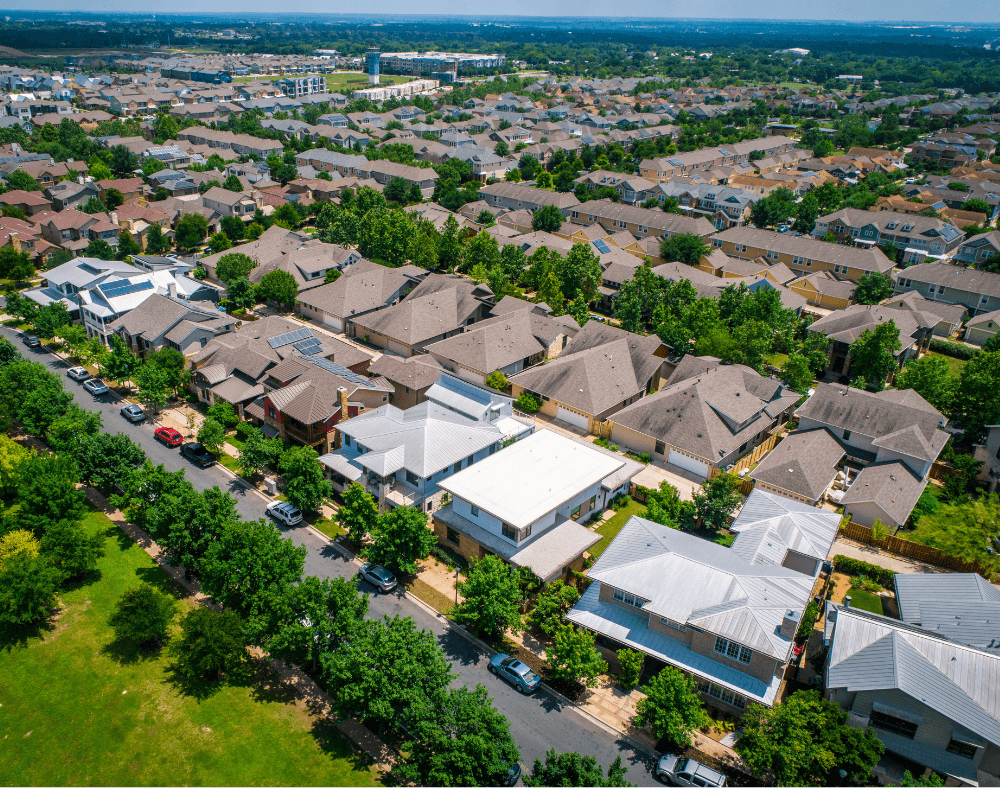
Can You Add a Granny Flat to This Property? What Buyers Should Check Before They Purchase
Thinking of buying a property for its granny flat potential? Here's what's changed in NSW law, the key dates, and what to check before you buy.
Taking Stock: Is Your Property Portfolio Still Working for You?
Rate rises and a shifting market make this the perfect moment to review your portfolio. A practical, positive guide to taking stock in 2026.

What Recent Rate Rises From The RBA Mean For Australians
The RBA’s latest rate rise impacts mortgages, savings, and property markets across Australia. See what it means for you. Read more now.